Harper Wolf · 10 October 2026
Charting User Retention Tactics Amid Technical Overhauls in Niche Digital Networks
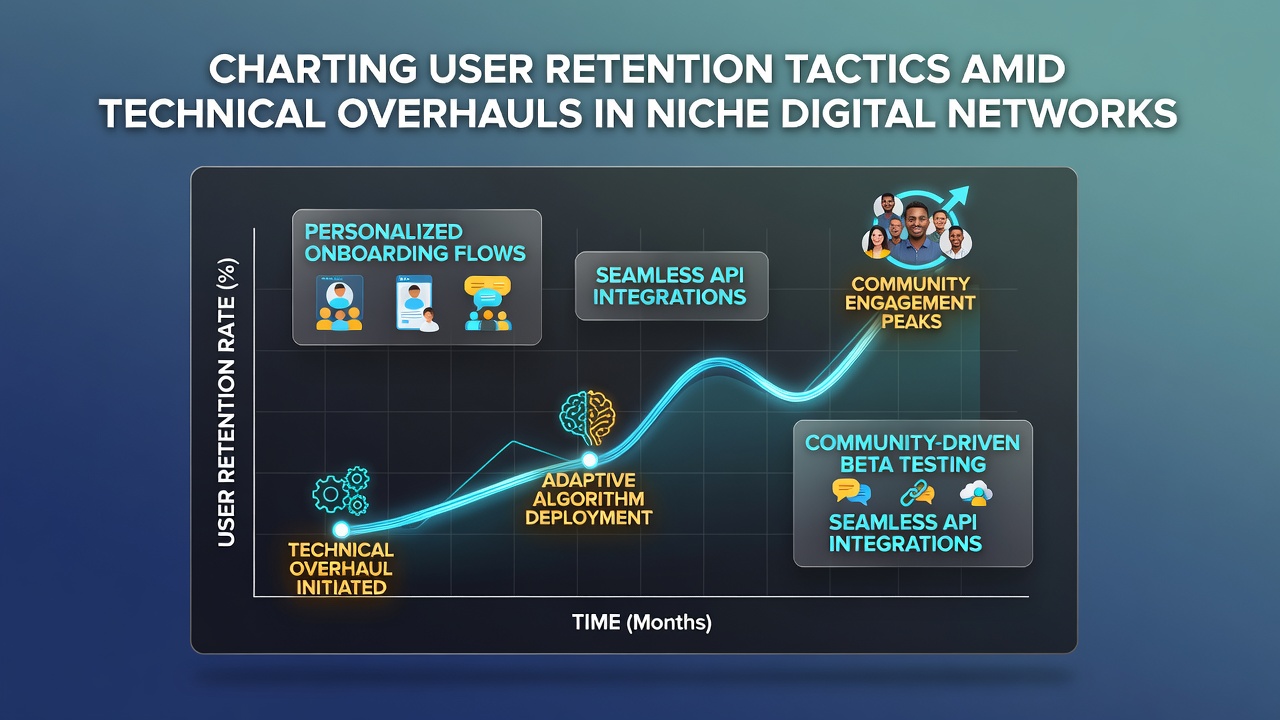
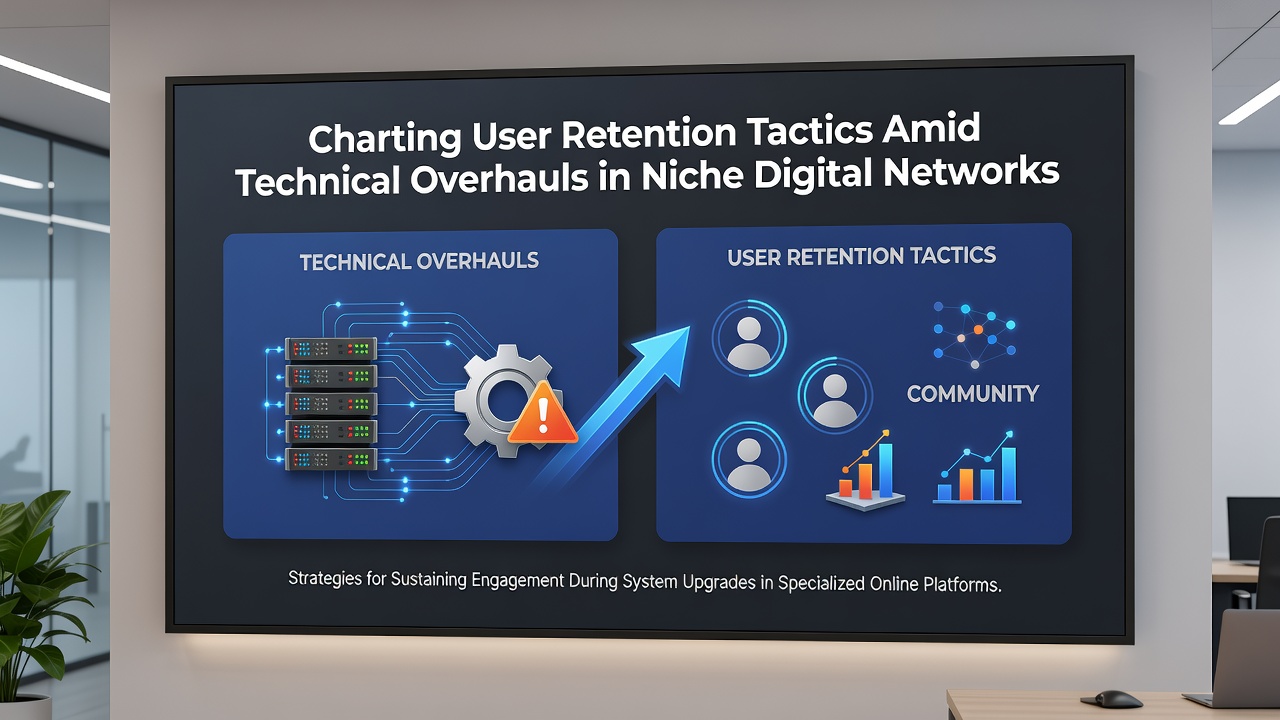
Technical overhauls in niche digital networks often involve server migrations, interface redesigns, and backend protocol shifts that directly affect how users interact with specialized forums, hobbyist platforms, and targeted social applications. Observers note that these changes occur regularly as networks scale or adapt to new security requirements, yet user continuity depends on coordinated retention approaches rather than ad hoc fixes.
Core Elements of Technical Transitions in Specialized Platforms
Networks focused on areas such as vintage computing, regional language preservation, or independent game development frequently undergo infrastructure updates to handle growing data loads or integrate new features. Data collected in October 2026 showed that platforms completing major overhauls experienced measurable shifts in daily active participation when advance planning included segmented user notifications and fallback access options. Researchers at institutions tracking digital community behavior found that phased implementation reduced abrupt disengagement by allowing members to adjust workflows gradually while core functionalities remained available.
Communication protocols during these periods typically combine email summaries, in-platform banners, and moderated discussion threads that outline timelines and expected downtime windows. Experts tracking retention patterns emphasize that transparency about data migration processes helps maintain trust, especially when user-generated content archives form the primary value of the network.
Retention Approaches Backed by Usage Data
Analytics tools deployed before and after updates allow administrators to monitor login frequency, content contribution rates, and session durations across user cohorts. Studies from the Pew Research Center on online group dynamics indicate that networks providing clear opt-in pathways for beta testing new features retain higher percentages of core contributors compared with those rolling out changes uniformly. Incentives such as temporary badges or priority access to archived materials further support continuity when introduced alongside the technical rollout.
Feedback collection mechanisms, including short surveys embedded in the updated interface, supply real-time signals about friction points that might otherwise lead to account deactivation. Those managing niche platforms report that responding to common queries within the first 48 hours after launch correlates with stabilized participation numbers over subsequent weeks.
Implementation Patterns Observed Across Multiple Networks
One documented sequence begins with a pre-overhaul audit of user access logs to identify high-engagement segments, followed by targeted outreach that explains benefits of the upgrade in terms relevant to each group. During the transition itself, parallel environments sometimes run to preserve uninterrupted access for members who rely on the platform for time-sensitive collaboration. Post-launch monitoring then tracks whether returning users complete key actions such as profile updates or content uploads at rates comparable to pre-change baselines.
Regional variations appear when networks operate under differing regulatory expectations. Figures from Eurostat on digital service adoption reveal that platforms serving European users often allocate additional resources to data portability assurances during migrations, which aligns with established user expectations around information control. Similar patterns surface in reports from the Australian Communications and Media Authority, where emphasis on clear consent processes during technical changes supports continued membership in hobby and interest-based sites.
Measurement Frameworks and Adjustment Cycles
Retention tracking relies on cohort analysis that compares user activity levels across defined time windows rather than single-point snapshots. When metrics indicate drops in specific demographics, administrators adjust outreach by refining notification cadence or introducing simplified onboarding sequences for returning members. Evidence from multiple case examinations shows that iterative refinements applied within the first month after an overhaul produce more stable long-term participation than static strategies.
Integration of third-party analytics platforms with internal logs provides granular views of navigation paths that change after interface updates, allowing teams to prioritize fixes that restore familiar user flows without reverting core technical improvements.
Conclusion
Successful navigation of technical overhauls in niche digital networks centers on structured communication, segmented testing, and responsive metric monitoring that together sustain user connections through periods of structural change. Available data underscores that networks applying these coordinated tactics record steadier participation curves than those treating retention as a secondary concern after infrastructure work concludes.